Where to Stay in Mumbai: South Mumbai vs Bandra vs BKC
July 31, 2026
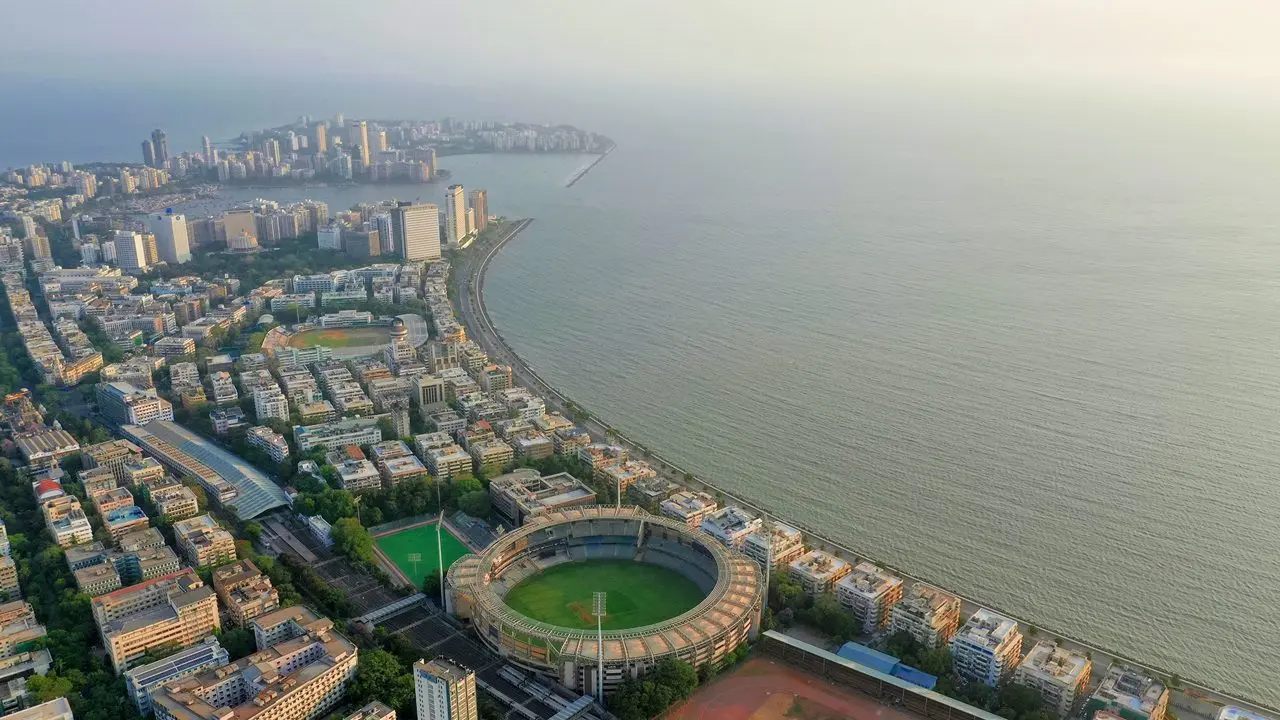
Anyone searching for where to stay in Mumbai eventually runs into the same three names — South Mumbai, Bandra, and BKC — and very little explanation of how they actually differ beyond a map and a price tag. They're not interchangeable, and which one suits a trip depends heavily on what that trip is actually for. This isn't a ranking so much as a way to read the city correctly before booking anything.
The Short Version
South Mumbai is where the city's history, its most recognizable landmarks, and its slower, walkable streets all sit in one place. Bandra is younger, louder, and built around cafes, nightlife, and a more residential, cosmopolitan energy. BKC is purpose-built for business — modern towers, convention space, and relatively few reasons to stay there if work isn't the primary purpose of the trip. For most people putting together a Mumbai neighborhoods guide before a first visit, the answer is straightforward: South Mumbai tends to be the strongest choice for visitors focused on sightseeing and experiencing the city for the first time
South Mumbai: The City's Front Door
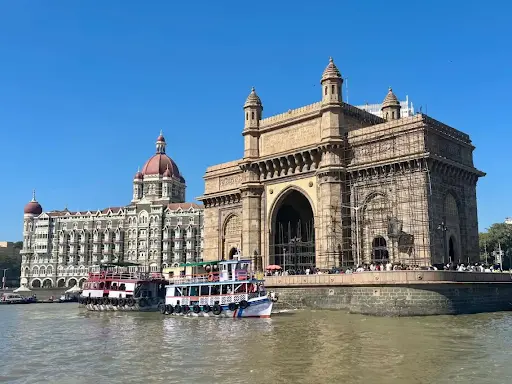
South Mumbai — sometimes shortened to SoBo, covering Colaba, Fort, Kala Ghoda, and the stretch toward Marine Drive — is the part of the city most people picture when they picture Mumbai at all. The Gateway of India, the Taj Mahal Palace, Chhatrapati Shivaji Maharaj Terminus, and Marine Drive all sit within a compact, walkable footprint here, which is the single biggest practical argument for staying in this part of town: very little of a visitor's day needs to be spent in transit.
This is also the part of the city with the deepest concentration of South Mumbai hotels, ranging from heritage five-stars to smaller boutique properties tucked into colonial-era buildings. The architecture itself is part of the draw — Victorian Gothic and Indo-Saracenic buildings line streets that have barely changed shape in a century, and a lot of the area's appeal comes from simply walking between sights rather than booking transport for each one. The sheer range of South Mumbai hotels, from grand heritage names to smaller independent properties, means the question of where to stay rarely comes down to availability — it comes down to which slice of the neighborhood suits the trip.
Colaba Causeway gives the neighborhood its market energy, with shopping, street food, and a steady stream of both tourists and locals moving through it at all hours. Kala Ghoda, a short walk north, is quieter and more art-focused, with galleries, the David Sassoon Library, and a noticeably calmer pace once you're a few streets back from the main causeway. Fort, just beyond that, holds a lot of the city's colonial-era civic architecture and a working business district that still functions the way it has for decades, layered underneath newer cafes and restaurants. Most South Mumbai hotels cluster within this same compact stretch, which is part of why moving between neighborhoods here rarely requires more than a short walk or a quick auto ride.
For most visitors — particularly first-timers, anyone short on time, or anyone who'd rather walk to dinner than book a cab — South Mumbai is the area to default to. It's the version of "where to stay in Mumbai" that requires the least planning to get right, precisely because so much of what people come to see is already within reach on foot. Any thorough Mumbai neighborhoods guide written for first-time visitors tends to arrive at the same conclusion for the same reason: proximity beats almost everything else when time is limited.
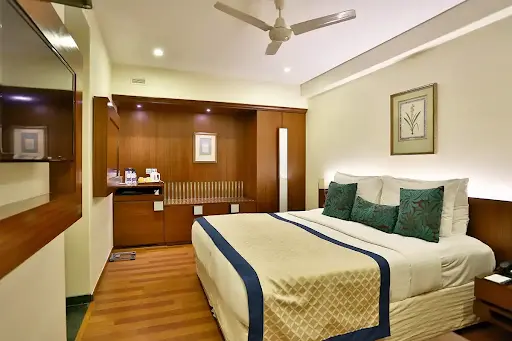
A quieter alternative within the same broader area sits a little further north, in the Kemp's Corner and Cumballa Hill stretch near Mahalaxmi and Haji Ali — close enough to everything South Mumbai offers, but a step removed from the density around Colaba. Among the South Mumbai hotels in this quieter pocket, The Shalimar Hotel, on August Kranti Marg, sits in exactly this spot: near enough to the city's core sights to stay convenient, without putting a visitor in the middle of the busiest tourist corridor.
Bandra: The City's Other Center of Gravity

If South Mumbai is the historic core, Bandra is where the city's contemporary identity lives. Split between Bandra West, the residential and lifestyle side, and Bandra East, home to the business district, the neighborhood has spent the last two decades absorbing a steady stream of young professionals, Bollywood figures, and a cafe culture that's grown considerably more polished without losing its edge.
Bandra West is the half most visitors actually mean when they say "Bandra." Linking Road and Hill Road carry most of the shopping and street-level energy, while Pali Hill and Bandstand lean quieter and more residential, with sea-facing apartments and a noticeably slower pace once you're off the main roads. Carter Road and Bandstand Promenade are the two stretches locals actually use for an evening walk, and both have become reliable spots to watch the sun go down over the Arabian Sea without dealing with the crowds further south.
The neighborhood's appeal is fundamentally different from South Mumbai's. There's less colonial architecture and fewer must-see landmarks, and more of an emphasis on how the area is lived in day to day — restaurants opening and closing in cycles, art spaces appearing in converted bungalows, and a nightlife scene that genuinely runs later than most of South Mumbai's. Anyone weighing Bandra vs BKC for a longer stay, or comparing Bandra against South Mumbai for a multi-day trip, should know this is the area built around staying out late and discovering things slowly, not around checking landmarks off a list. While Bandra and BKC sit close to one another geographically, they serve very different purposes for visitors.
It's a reasonable choice for a second or third visit to Mumbai, or for a longer stay where the goal shifts from sightseeing to simply living in the city for a while. It's a weaker choice for a first, short visit, since almost none of the landmarks most people associate with Mumbai are within easy walking distance.
BKC: Built for a Specific Purpose
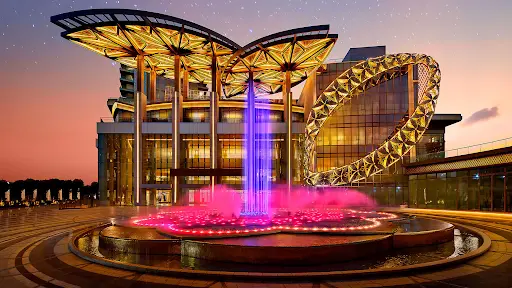
Bandra Kurla Complex doesn't pretend to be anything other than what it is — a planned business district built specifically to pull corporate headquarters out of crowded South Mumbai, and it does that job well. Glass towers house offices for major multinational firms, the Jio World Convention Centre anchors a steady calendar of conferences and events, and the Jio World Drive mall has added a genuine retail and dining layer on top of what used to be a purely commercial address.
For business travelers, the case for staying here is simple and largely unrelated to anything else in this comparison: proximity to meetings matters more than proximity to landmarks, and BKC delivers that directly. International hotel brands have built up a strong presence in the area specifically to serve this audience, with the kind of consistent, predictable amenities corporate travel tends to require.
Outside of work, though, BKC has comparatively little to offer. It's not walkable in the way South Mumbai is, it doesn't have the layered history of the older city, and its nightlife — while real and growing — exists mostly within hotel bars and a handful of standalone venues rather than as a neighborhood you'd wander through. Anyone asking about the best area to stay in Mumbai for sightseeing, culture, or a first visit will find BKC answers a different question than the one they're actually asking. Framed honestly, the Bandra vs BKC comparison isn't really a contest — they serve overlapping geography but almost entirely different purposes, and conflating the two leads to disappointment on either side.
Putting the Three Side by Side
The clearest way to separate these three areas is by what kind of trip they're actually built around, rather than by which one sounds most appealing on paper. This is the part of any honest Mumbai neighborhoods guide that matters more than the individual write-ups — the comparison itself, not just the description of each place in isolation.
South Mumbai suits first-time visitors, short stays, anyone prioritizing landmarks and walkability, and travelers who want their hotel to function as a base for exploring rather than a destination in itself. Bandra suits repeat visitors, longer stays, and anyone whose priorities lean toward food, nightlife, and a more residential pace over sightseeing. BKC suits business travelers whose schedule is built around meetings and conferences, where everything else about the city is secondary to that one requirement. Framed this way, the question of the best area to stay in Mumbai stops being about prestige or popularity and becomes a much simpler matching exercise.
For the majority of people researching where to stay in Mumbai for the first time, South Mumbai remains the strongest default. It's the only one of the three areas where a visitor can genuinely build an entire trip around walking between sights, and the depth of South Mumbai hotels — from grand heritage properties to smaller, quieter options like The Shalimar Hotel further up toward Kemp's Corner — means there's a reasonable fit for most budgets and preferences without leaving the area at all. Anyone treating this as the best area to stay in Mumbai for a first visit is making a reasonable, well-supported choice rather than simply following convention.
A Few Practical Notes
Connectivity has improved enough in recent years that the old argument — South Mumbai is isolated, Bandra and BKC are where the "real" city is — doesn't hold up the way it used to. The Bandra-Worli Sea Link and the newer Coastal Road have both cut travel time between South Mumbai and the western suburbs significantly, which makes a day trip from one area into another far more realistic than it would have been a decade ago.
That said, Mumbai traffic is unpredictable enough that "twenty minutes away" can become an hour with little warning, particularly during monsoon or at rush hour. Anyone planning to split time across more than one of these three areas should build in buffer time rather than assuming connectivity will behave consistently. This is a detail most quick-hit comparisons skip, but it's exactly the kind of practical note a proper Mumbai neighborhoods guide should include rather than gloss over.
For a single-base trip, the calculus is simpler. First-time visitors and anyone prioritizing sightseeing should lean South Mumbai. Longer, more relaxed visits or repeat trips suit Bandra well. And anyone whose Mumbai trip is fundamentally a work trip should stay in or near BKC and treat everything else as a bonus rather than the point. None of this requires treating the best area to stay in Mumbai as a fixed, universal answer — it shifts depending on what the traveler is actually optimizing for.
The Bottom Line
Comparing South Mumbai, Bandra, and BKC isn't really a question of which neighborhood is "best" in the abstract — it's a question of matching the area to the trip. South Mumbai carries the weight of the city's history and most of its iconic sights within a genuinely walkable footprint, which is why it remains the strongest starting point for most visitors working out where to stay in Mumbai. Bandra offers a different, more contemporary version of the city for those with the time to explore it slowly. BKC is primarily designed around business travel and corporate activity, which continues to define much of the area's appeal. Resolving the Bandra vs BKC question, or the broader best area to stay in Mumbai question, ultimately comes down to being honest about what the trip actually needs rather than chasing whichever name sounds most impressive.
For most travelers planning their first or only trip to the city, that makes the decision fairly clear: stay where the city actually shows itself, and let South Mumbai be the base everything else gets explored from. Any Mumbai neighborhoods guide that tells you otherwise is probably optimizing for something other than your actual trip.
← Back to Blog