The Shalimar Guide to Historic Mumbai: Heritage Places Worth Exploring
October 1, 2026
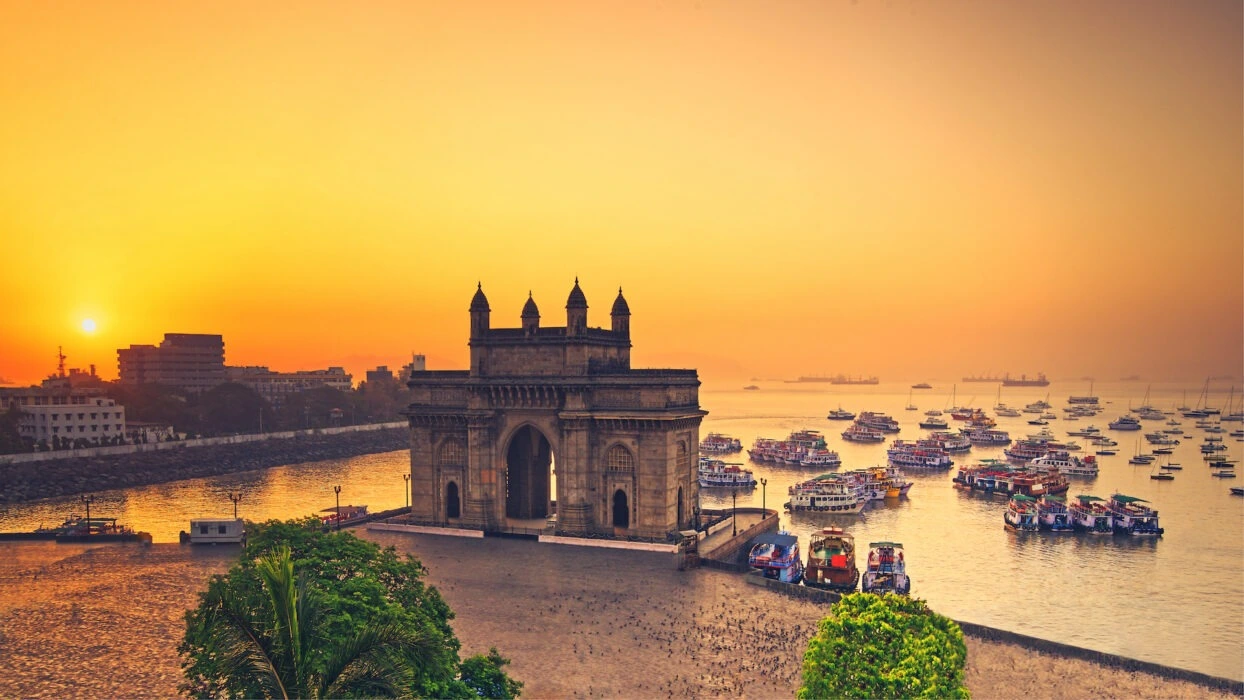
Mumbai's history is best experienced through its neighbourhoods, streets and buildings rather than as a checklist of separate monuments. From the Gothic architecture of CSMT and Fort to the Art Deco buildings around Marine Drive, South Mumbai brings several layers of the city's past within easy reach.
For guests staying at The Shalimar Hotel in Kemps Corner, this makes planning a heritage day relatively simple. The hotel's location works particularly well as a base because several historic areas can be combined into a single outing, while places such as Marine Drive and the Royal Opera House are close enough to explore separately without committing to a full day.
We have put together a practical guide to some of Mumbai's historic places, including why each stop is worth visiting, approximately how long it takes to reach from The Shalimar, the best time to go, how much time to set aside and how to combine nearby landmarks into a practical route.
Use this as a starting point for a relaxed day of exploring rather than trying to see everything at once.
Chhatrapati Shivaji Maharaj Terminus
Why visit
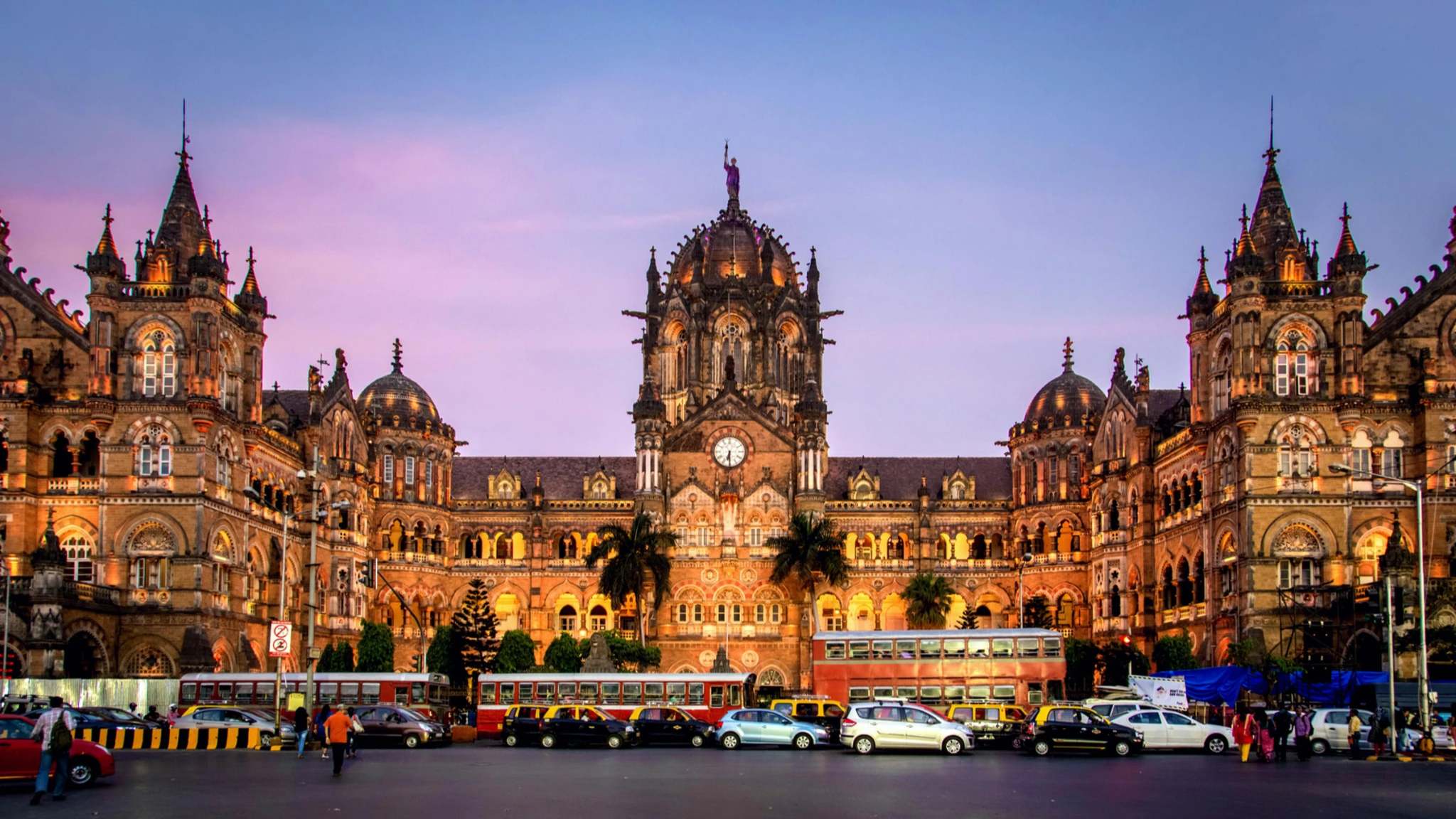
Few buildings represent Mumbai quite like Chhatrapati Shivaji Maharaj Terminus, commonly known as CSMT. Completed in 1887, the station combines Victorian Gothic Revival architecture with Indian architectural influences and remains one of the city's busiest railway stations.
What makes it particularly interesting is that it is not simply a preserved monument. Trains continue to arrive and depart throughout the day, making the historic building part of everyday Mumbai life.
From The Shalimar
Approximately 20–30 minutes by road, depending on traffic.
Best time to go
Morning is a practical time to begin, particularly if you plan to continue into Fort and Kala Ghoda afterwards.
Suggested time
30–45 minutes.
Local tip
Do not leave immediately after photographing the main façade. Walk a short distance around the station and look back towards the building from the surrounding streets. This gives you a better sense of its scale and the relationship between the station and the older buildings around it.
The Asiatic Society and Rajabai Clock Tower
Why visit
Fort is where a heritage visit becomes less about individual buildings and more about the city as a whole. Historic commercial buildings, public institutions, arcades and open spaces sit close together, making the area especially rewarding to explore on foot.
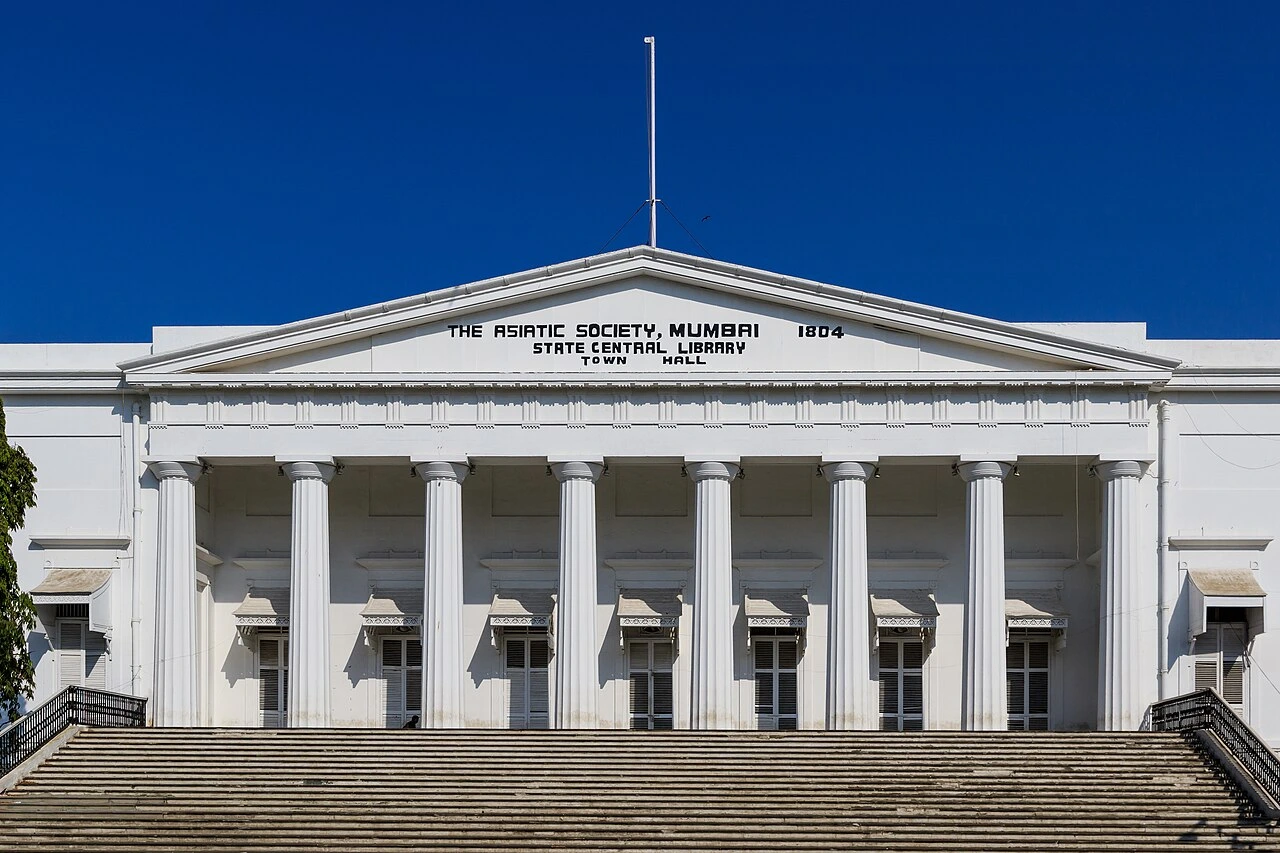
The Asiatic Society of Mumbai, housed in the city's Town Hall, is one of the important stops along the way. Founded in 1804, the institution is known for its library and collection of rare books and manuscripts, while its grand staircase has become one of the area's recognisable architectural features.
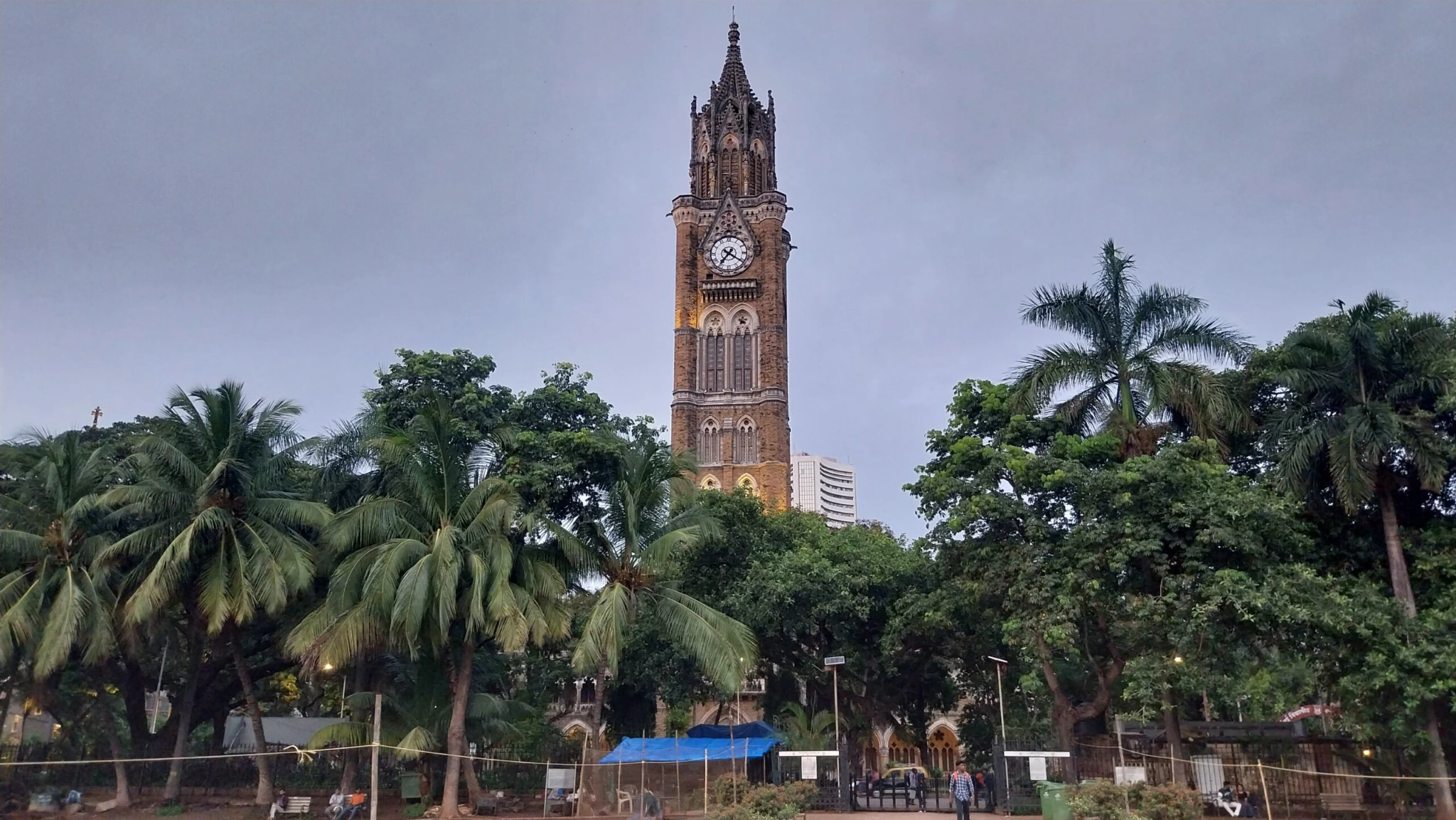
The nearby Rajabai Clock Tower, completed in 1878, is another prominent example of the Victorian Gothic architecture associated with this part of Mumbai. The tower stands on the University of Mumbai's Fort campus and is best appreciated as part of the surrounding streetscape.
From The Shalimar
Approximately 20–30 minutes by road.
Best time to go
Morning or late afternoon, when walking around the area is more comfortable.
Suggested time
1–2 hours for the wider Fort walk.
Local tip
Treat Fort as a walking neighbourhood rather than a sequence of entrances. Pause at the Town Hall, continue through the surrounding streets and look up at the façades, balconies and stone details that are easy to miss when travelling by car.
Kala Ghoda & David Sassoon Library
Why visit
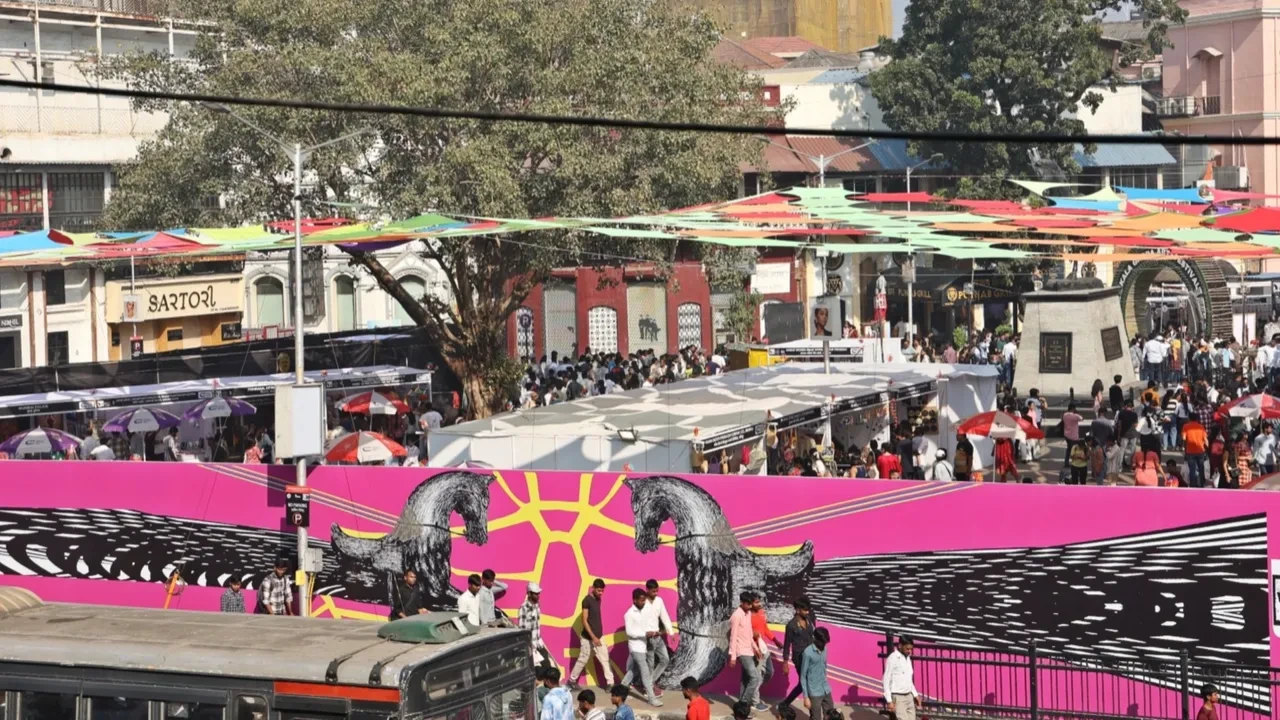
Kala Ghoda is one of South Mumbai's most useful neighbourhoods for combining history, architecture and culture. Museums, galleries, libraries and heritage buildings are concentrated within an area that is easy to explore on foot.
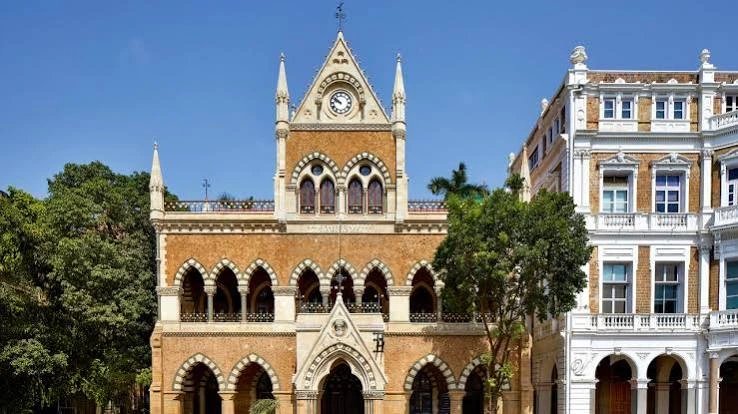
The David Sassoon Library, established in 1847, adds another layer to the experience. Its Gothic architectural details have made it a familiar part of the neighbourhood, but the building is still a functioning library rather than simply a historic façade.
From The Shalimar
Approximately 20–30 minutes by road.
Best time to go
Late morning or afternoon.
Suggested time
1–2 hours
Local tip
Allow some walking time between the landmarks instead of moving directly from one building to the next by car. Kala Ghoda works best when you explore its smaller lanes, public spaces and surrounding architecture along the way.
Chhatrapati Shivaji Maharaj Vastu Sangrahalaya
Why visit
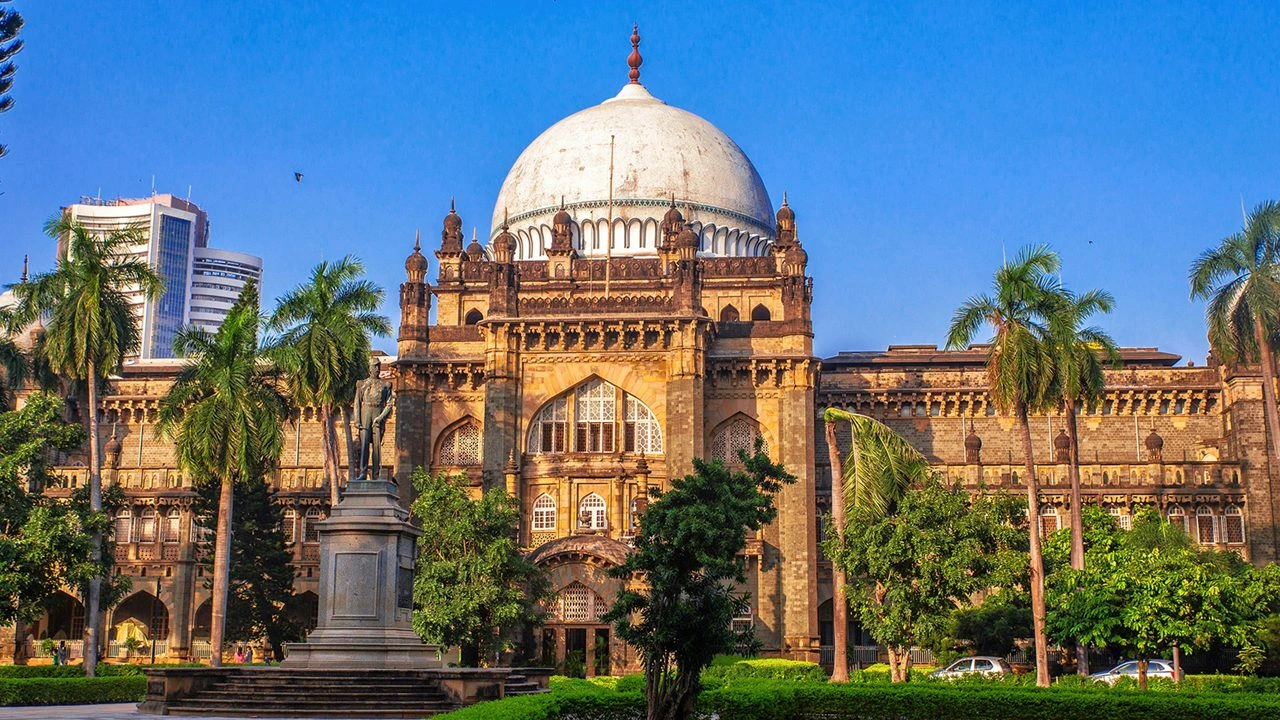
Just north of the Gateway of India, Chhatrapati Shivaji Maharaj Vastu Sangrahalaya, or CSMVS, offers both architecture and history under one roof.
Formerly known as the Prince of Wales Museum, the Grade I Heritage structure is an example of Indo-Saracenic architecture. Its collections cover art, archaeology and natural history, giving visitors more to explore than a traditional architectural stop.
From The Shalimar
Approximately 20–30 minutes by road.
Best time to go
Late morning or early afternoon.
Suggested time
1.5–2.5 hours.
Local tip
Place the museum after your Fort and Kala Ghoda walk rather than treating it as a quick stop. Once you are inside, give yourself enough time to explore the galleries before continuing towards the Gateway of India.
Practical information
The museum currently lists visiting hours from 10:15 am to 6:00 pm, with the ticket counter closing earlier. Check the official museum website before visiting because timings and exhibitions may change.
Gateway of India & Colaba
Why visit
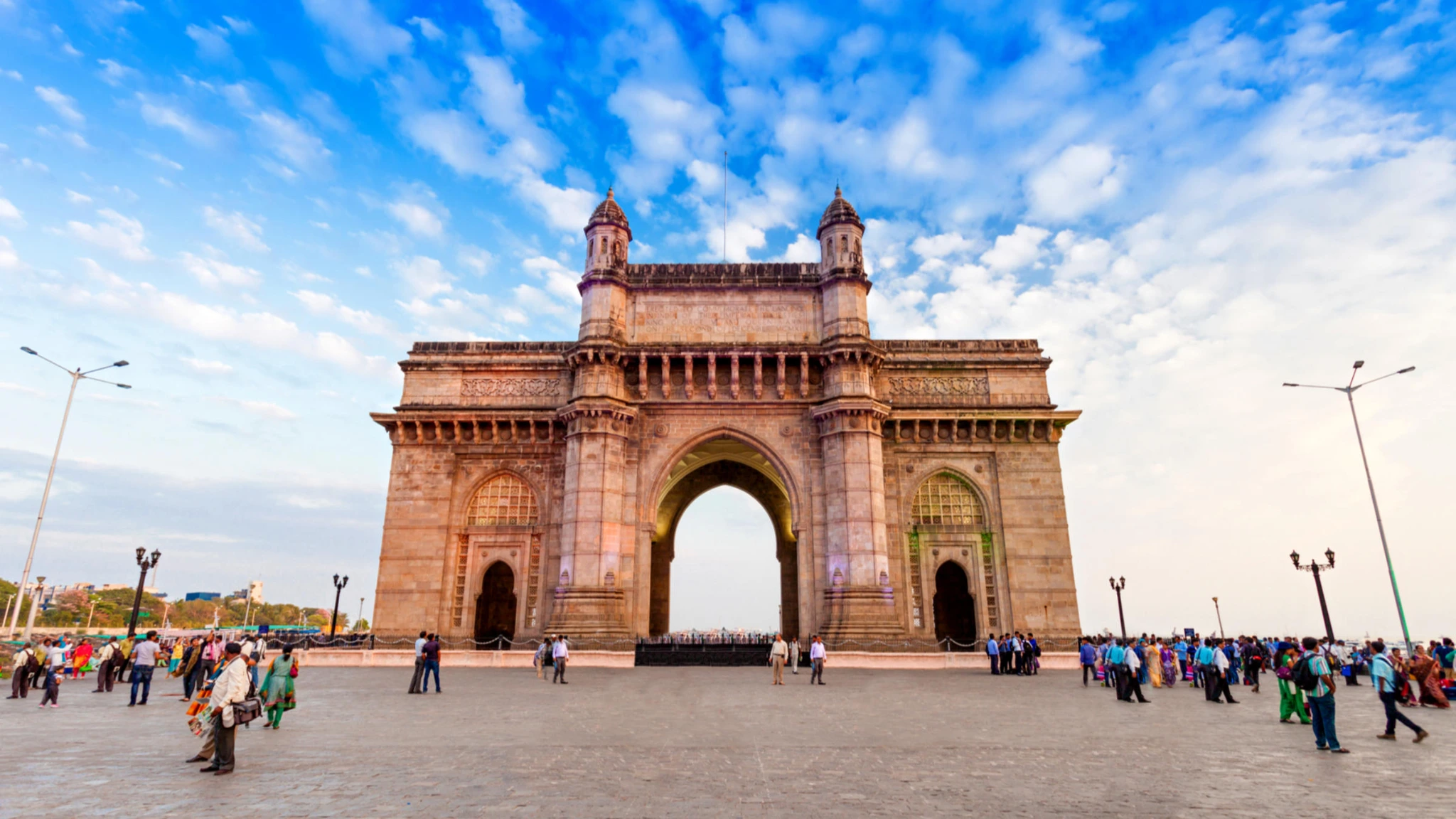
The Gateway of India is one of Mumbai's most recognisable landmarks. Completed in 1924 and standing at Apollo Bunder overlooking the Arabian Sea, the monument was designed in the Indo-Saracenic style.
Its location also makes it useful as a starting point for exploring Colaba. The waterfront, Colaba Causeway and several historic buildings can all be incorporated into the same outing.
From The Shalimar
Approximately 20–30 minutes by road, depending on traffic.
Best time to go
Early morning for a quieter experience, or evening for the waterfront atmosphere.
Suggested time
30–45 minutes at the Gateway, with additional time for exploring Colaba.
Local tip
Use the Gateway as a transition point rather than the final destination. After seeing the monument, continue into Colaba on foot so the outing includes the surrounding streets and older buildings rather than ending with a single photograph.
Marine Drive and Mumbai's Art Deco Heritage
Why Visit
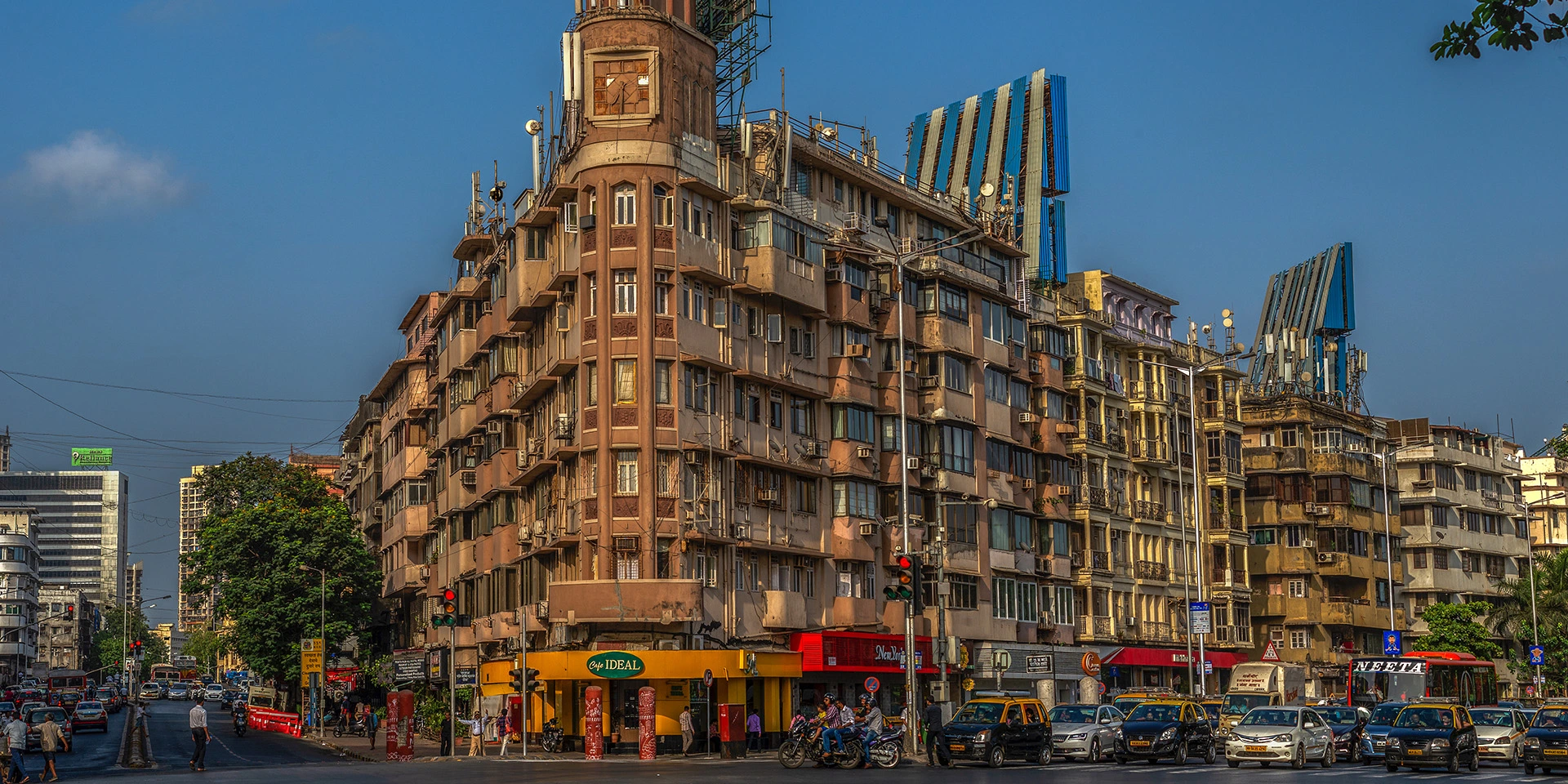
Mumbai's heritage is not limited to colonial-era buildings. The area around Marine Drive represents another important chapter in the city's architectural history through its Art Deco buildings
The Marine Drive development forms part of Mumbai's wider Victorian Gothic and Art Deco Ensembles, recognised as a UNESCO World Heritage Site in 2018. The property reflects two major phases of Mumbai's urban development, with Victorian Gothic buildings around the Oval Maidan and Art Deco architecture extending towards Marine Drive.
This makes Marine Drive worth exploring from both directions: towards the sea for the promenade and inland towards the buildings for the architecture.
From The Shalimar
Approximately 10–20 minutes by road.
Best time to go
Late afternoon and around sunset.
Suggested time
45–60 minutes.
Local tip
Do more than walk along the seafront. Spend part of the visit looking inland at the curved Art Deco façades along the Marine Drive frontage. The contrast between the promenade and the architecture is what makes this part of the city particularly distinctive.
The Royal Opera House
Why Visit
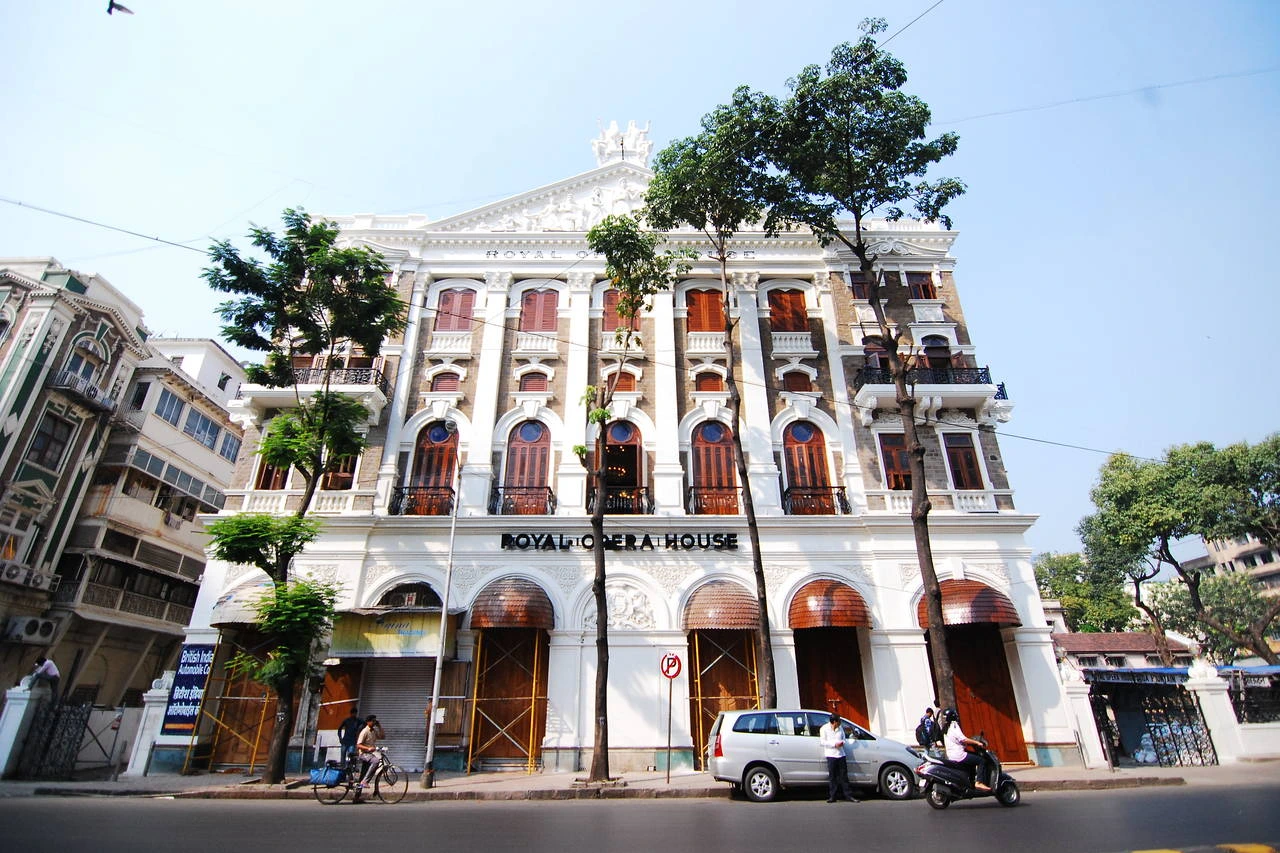
The Royal Opera House offers a different perspective on Mumbai's cultural history. The venue was inaugurated in 1911 and completed in 1916, incorporating European and Indian detailing into its design.
Today, the restored building remains an active cultural venue and is described by the Royal Opera House as India's only surviving opera house. It reopened in October 2016 after extensive restoration.
From The Shalimar
Approximately 10–20 minutes by road.
Best time to go
Evening, particularly when a performance is scheduled.
Suggested time
30–60 minutes for seeing the building; longer if attending a performance.
Local tip
Check the venue's programme before building your evening around it. A scheduled performance can turn a short architectural visit into a longer cultural outing, so leave enough time between the Opera House and your next stop.
Starting Your Heritage Day from The Shalimar
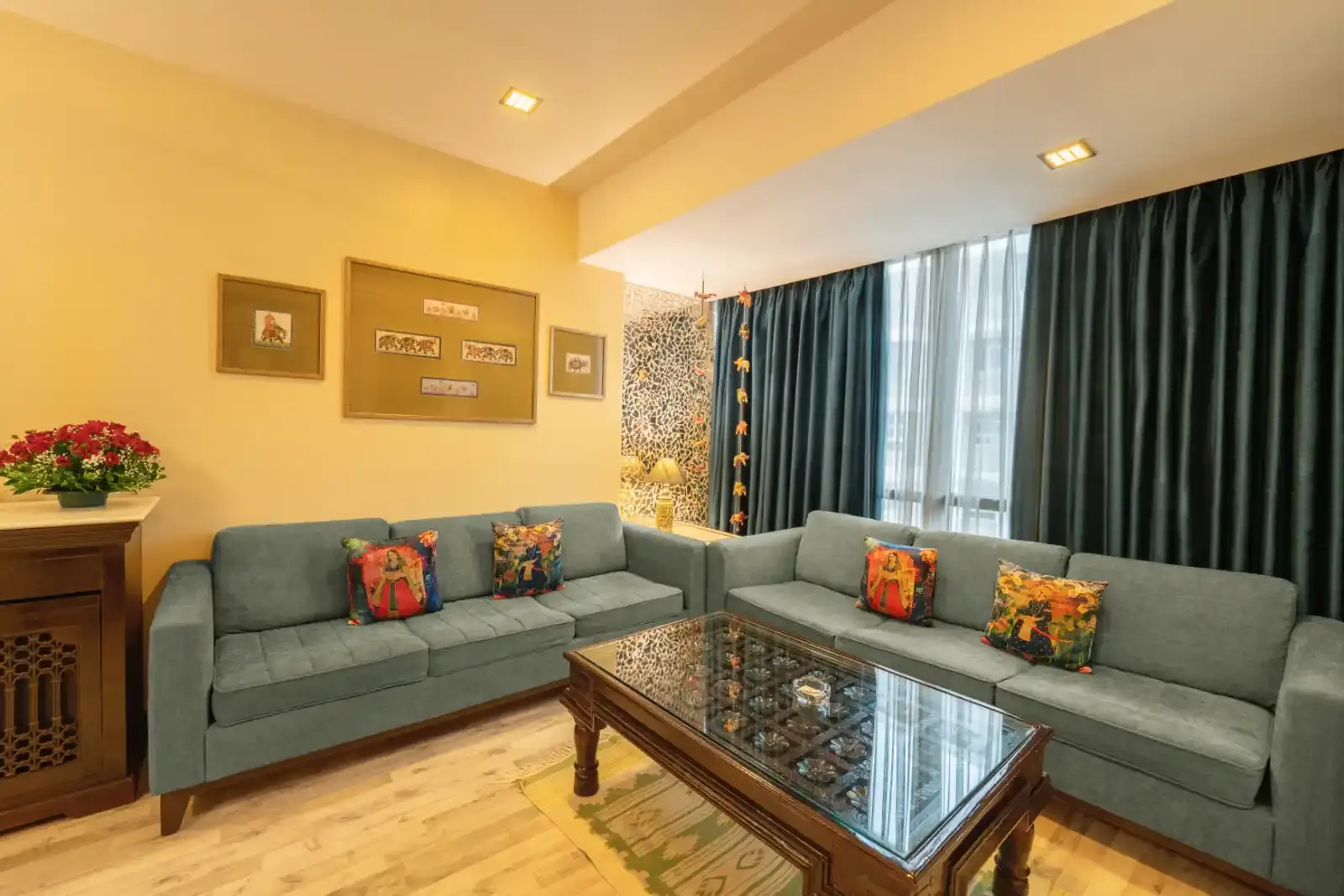
The easiest way to explore historic Mumbai from The Shalimar is to think in neighbourhoods rather than individual attractions.
For a half-day heritage outing, begin with CSMT and continue through Fort and Kala Ghoda. This keeps much of the walking within the same part of South Mumbai and allows you to experience the architecture between the major landmarks rather than spending most of the day travelling between them.
For a full-day heritage route, continue from Kala Ghoda towards CSMVS, the Gateway of India and Colaba. You can then return towards Kemps Corner later in the day and finish with Marine Drive around sunset.
A shorter afternoon and evening route can focus on the Royal Opera House and Marine Drive's Art Deco heritage. This works particularly well when you want a heritage experience without committing an entire day to sightseeing.
The advantage of staying at The Shalimar is therefore not simply the time taken to reach each attraction. It is the flexibility to divide South Mumbai into manageable outings and return to the hotel between them when needed.
Suggested Half-Day Heritage Route
The Shalimar → CSMT → Fort → Kala Ghoda → David Sassoon Library
For guests with only a few hours, this is one of the most practical combinations.
Start from The Shalimar in the morning and travel towards CSMT. After spending some time around the station, continue towards Fort and explore the streets around the Asiatic Society and Rajabai Clock Tower.
From there, continue towards Kala Ghoda and the David Sassoon Library. The route gradually shifts from grand public buildings to galleries, libraries and smaller heritage streets, creating a more varied experience without requiring repeated long drives.
Return to The Shalimar after lunch or continue towards CSMVS if you want to extend the outing.
Suggested Full-Day Heritage Route
The Shalimar → CSMT → Fort → Kala Ghoda → CSMVS → Gateway of India → Colaba → Marine Drive
A full day allows you to connect several different chapters of Mumbai's architectural history.
Begin at CSMT and spend the morning exploring Fort and Kala Ghoda. Continue to CSMVS before heading towards the Gateway of India and Colaba.
Later in the afternoon, make your way back towards the hotel and finish the day around Marine Drive. This creates a useful contrast between the nineteenth-century architecture of South Mumbai and the twentieth-century Art Deco buildings along the coast.
Rather than rushing through every stop, choose the places where you want to spend more time and treat the remaining landmarks as shorter visits.
A Short Heritage Evening
The Shalimar → Royal Opera House → Marine Drive
Not every heritage outing needs to take an entire day.
For a shorter experience, leave The Shalimar in the afternoon, visit the Royal Opera House and then continue towards Marine Drive. Spend some time exploring the Art Deco streetscape before finishing with a walk along the promenade around sunset.
This route works particularly well for guests who want to combine architecture with an easy evening in South Mumbai without following a packed sightseeing schedule.
Why The Shalimar Works as a Base for Historic Mumbai
Located on August Kranti Marg in Kemps Corner, The Shalimar is positioned to make several different South Mumbai outings practical.
The value of the location is not simply that individual attractions can be reached from the hotel. It allows guests to choose between compact neighbourhood-based routes, shorter evening outings and longer full-day explorations.
Guests can explore the Fort and Colaba side of South Mumbai on one day, return to the hotel and dedicate another outing to Marine Drive and the Opera House. This makes it possible to experience the city at a more comfortable pace rather than spending an entire day moving between distant attractions.
For travellers who prefer a relaxed itinerary, that flexibility can be more useful than trying to fit every landmark into one schedule.
Explore Mumbai at Your Own Pace
Mumbai's heritage is not confined to museums or monuments. It appears in the railway station where thousands of people pass each day, the library that still serves readers, the university tower, the streets of Fort, the Art Deco buildings around Marine Drive and the historic venues that continue to be part of the city's cultural life.
For guests staying at The Shalimar Hotel, much of this history can be explored through a series of connected neighbourhoods rather than a rushed sightseeing checklist.
Choose a route, leave enough time for walking and keep some flexibility in the schedule. Start with CSMT and Fort for a morning of architecture, continue towards Kala Ghoda and Colaba for a longer heritage day, or keep things simple with the Opera House and Marine Drive in the evening.
Historic Mumbai becomes more interesting when you give yourself time to notice what lies between the major landmarks.
← Back to Blog